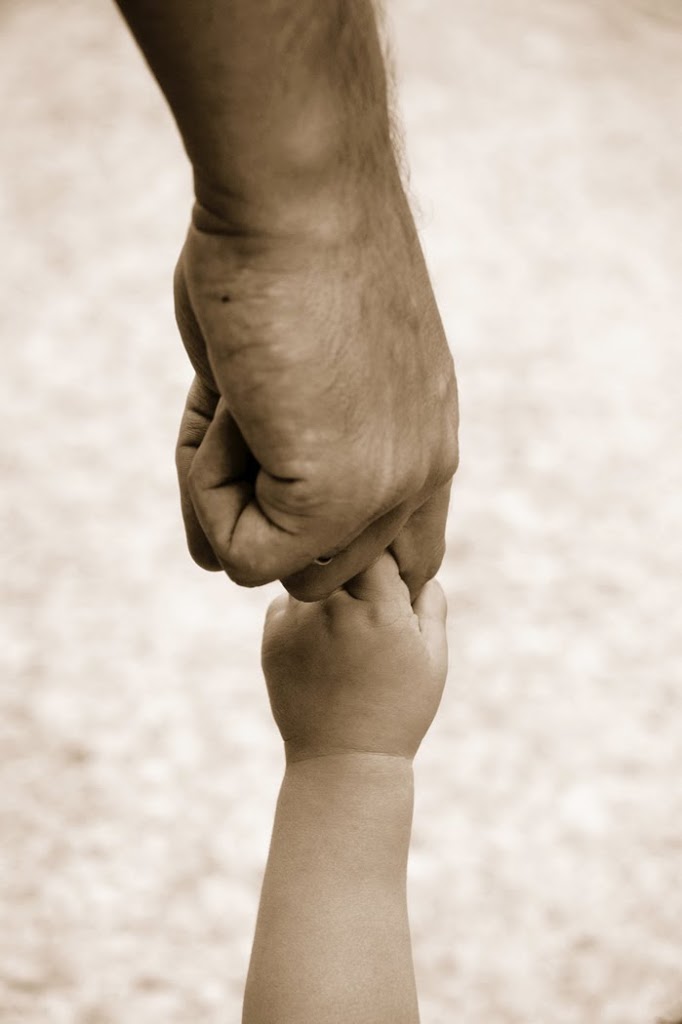
style="clear: both; text-align: center;">(This is the 5th part of my NACAC inspired series, which may continue on next week for a bit as I have more to add)This year’s theme at NACAC, the annual adoption conference held in Columbus, Ohio, was one of family connections and I’ve been giving this topic a good deal of thought since arriving back home. We all have connections. Families formed in traditional ways have connections that are always present, or if not physically, then they are easily accessible through pictures, family trees, photos and major life events. Children and youth in families formed through foster care and adoption do not always have the same access to the simplest of things. Even something like a picture of a birth parent can be so incredibly invaluable to children like Jasmine, 10, who looks around the dinner table and cannot see in her family anyone who has her nose, or her eyes. Her birth mother fled before her foster mother could snap a picture of her and because she was what they call in child welfare circles “itinerant” noone can reach Jasmine’s birthmom to make a connection. Jasmine has a blanket that was given to her by her birthmom before she realized she couldn’t parent this baby, who also went through a painful drug withdrawal and could not feed well as a result. In quiet moments in her room Jasmine takes the blanket off her shelf and rubs her face on it. It is the only connection she has right now to her family of origin. The amazing and gifted author Regina Kupecky, of the Attachment and Bonding Centre of Ohio, spoke of the importance of maintaining connections for our children. Many adoptive parents make the mistake of assuming children adopted from orphanages cannot possibly have connections. “They come to your homes by themselves, but behind them are so many connections,” Kupecky noted. In the case of a child adopted from Kazakhstan, there many be multiple losses. Birth family. Birth siblings. A caregiver in the orphanage. A country. A culture. Even the crib at the orphanage. These are things adoptive parents, child welfare workers, therapists and others working with the child need to honour accept and respect, even nurture at times. Where there are pictures available find them, bring them, copy them and give them to your child, so they do not wonder every night where they fit in. Where there are videos of the orphanage they left, keep them, duplicate them, watch them. Where travel or letters or communications are possible to share, safe and in the child’s best interest then there should be all effort taken to do so. Anything physical that may help that child maintain their connection is helpful for our children to succeed emotionally and grow to their capacity in what is essentially transplanted soil.
This website uses cookies to improve your experience. We'll assume you're ok with this, but you can opt-out if you wish.AcceptRead More
Privacy & Cookies Policy
Privacy Overview
This website uses cookies to improve your experience while you navigate through the website. Out of these, the cookies that are categorized as necessary are stored on your browser as they are essential for the working of basic functionalities of the website. We also use third-party cookies that help us analyze and understand how you use this website. These cookies will be stored in your browser only with your consent. You also have the option to opt-out of these cookies. But opting out of some of these cookies may affect your browsing experience.
Necessary cookies are absolutely essential for the website to function properly. This category only includes cookies that ensures basic functionalities and security features of the website. These cookies do not store any personal information.
Any cookies that may not be particularly necessary for the website to function and is used specifically to collect user personal data via analytics, ads, other embedded contents are termed as non-necessary cookies. It is mandatory to procure user consent prior to running these cookies on your website.