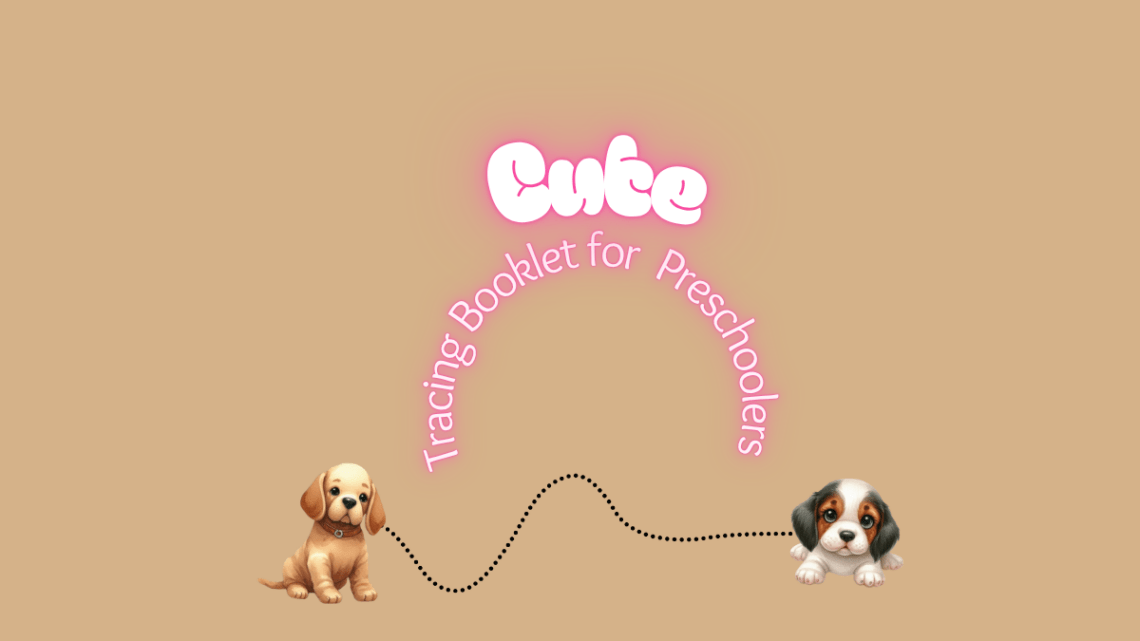
If you’ve ever watched a preschooler concentrate on tracing a dotted line, you know it’s a high-stakes operation. Tongue out, brow furrowed, crayon gripped like a club. It’s adorable, but it’s also critical developmental work.
Tracing isn’t just busy work to keep kids quiet while you finish your coffee. It is the foundational bridge between scribbling and legible writing.
Post may contain affiliate links as a service to readers. Any purchases made via qualifying links mean a small commission for me.
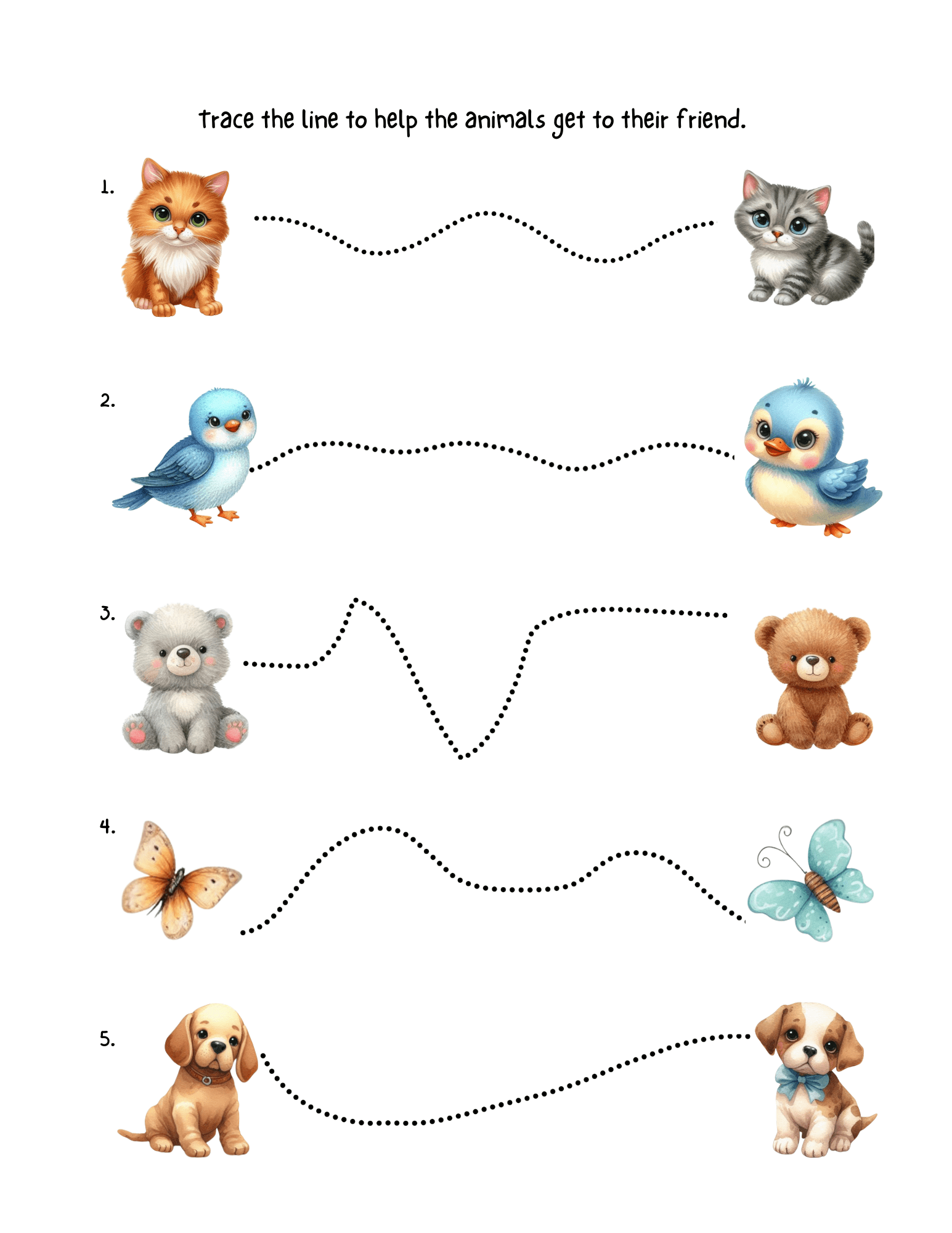
Table of Contents
The Big Benefits of Tiny Lines
Beyond just following a path, tracing helps children master several key milestones:
- Fine Motor Development: Strengthening the small muscles in the hands and fingers.
- Hand-Eye Coordination: Training the eyes to guide the hand’s movement along a specific visual track.
- Spatial Awareness: Helping children understand concepts like up, down, left, and right.
- Pre-Writing Confidence: Success in tracing a simple curve builds the confidence needed to tackle complex letters later.
The Progression of Tracing
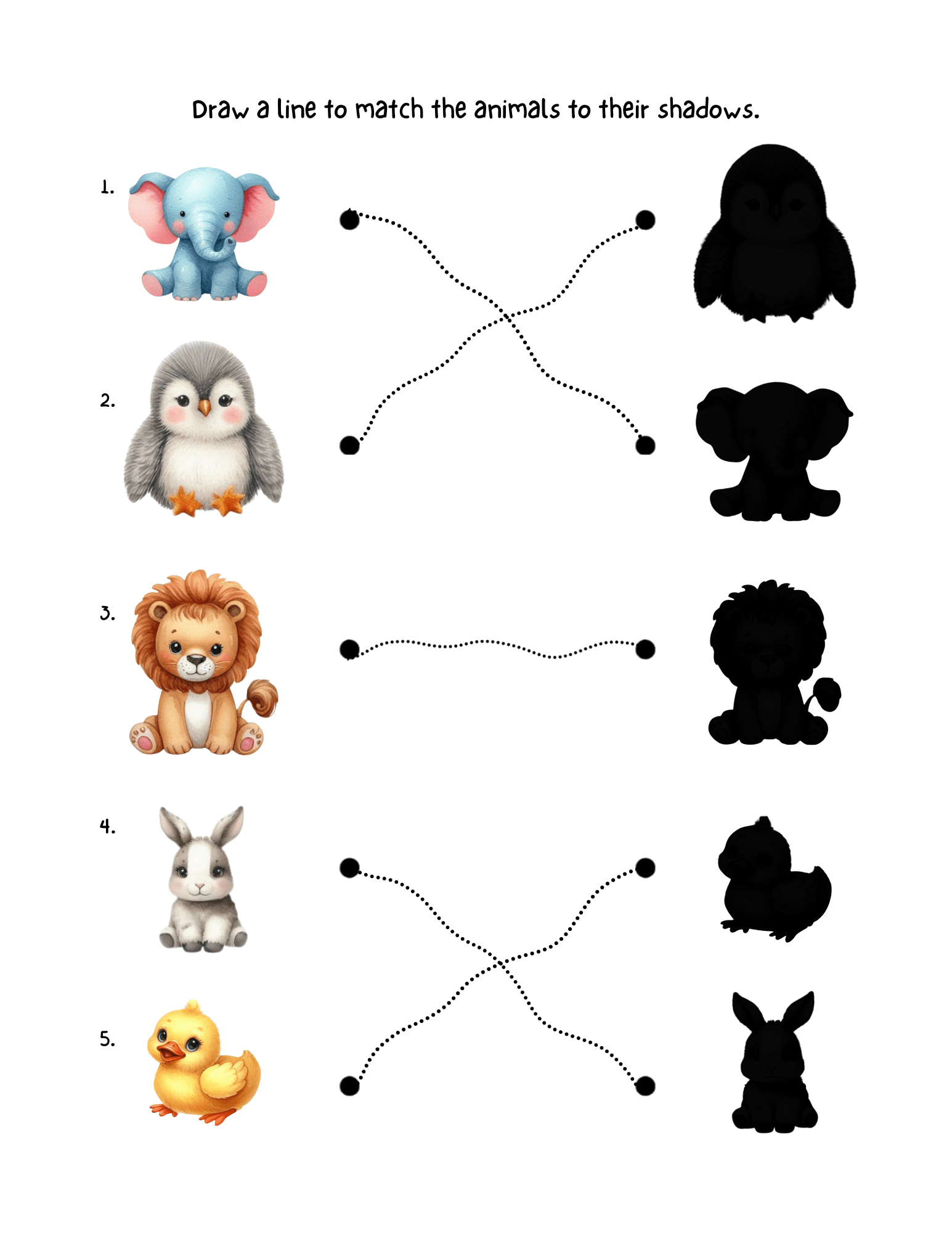
You wouldn’t ask a toddler to trace the cursive alphabet on day one. Like any skill, tracing follows a logical progression. Stage 1 straight lines is all about mastering vertical and horizontal movements. The second stage is simple shapes and an escalation to managing corners and intersections like squares and triangles. In stage three they learn curves and waves and then begin combining all of the above.
To Print this Out:
Click on the download link below. Save a copy and print it out.
3 Tips to Make Tracing Fun
There are so many ways to make this a fun activity, perhaps even a sensory game if that’s appealing to your kiddo. When my youngest was preparing for senior kindergarten we often had shaving cream on hand. An occupational therapist would come in with sensory tools like shaving cream and my youngest child would be asked to draw letters or numbers. It made it a tangible activity that jumped off the page.
- Sensory Tracing: Before the pencil hits the paper, try tracing in a tray of sand, shaving cream, or salt. It provides tactile feedback that helps the brain map the movement.
- Highlighter Magic: Draw a thick line with a yellow highlighter and ask your child to drive their car (their marker) right down the middle of the road.
- Use Lamination: Slide worksheets into plastic sleeves. Using dry-erase markers makes mistakes easy to wipe away, which lowers the frustration for perfectionist learners.
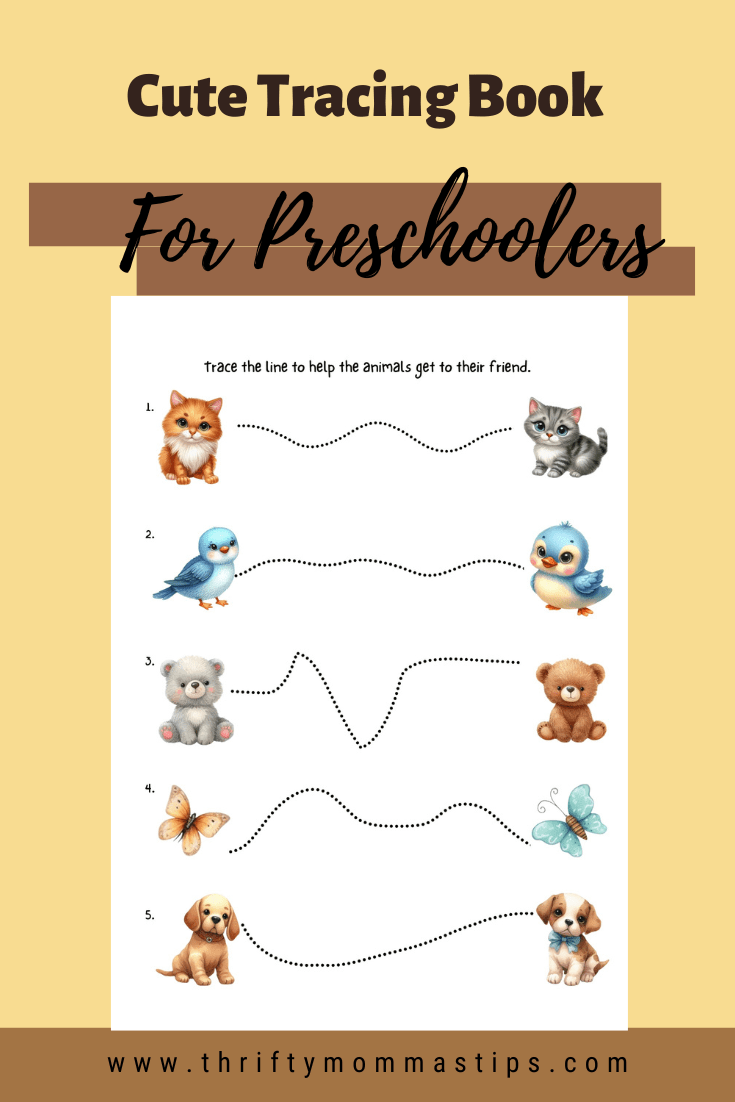
Focus on the process and make it fun. If they go off the lines, they’re still learning how to correct their course. That’s a win!
Print this Tool Out:
Don’t forget the supplies you need to make this work.
Printer paper helps. Yes, it is pretty expensive these days. This Amazon Basics paper is pretty good. Keep the inexpensive men’s shaving cream on hand if you are going to do these types of sensory activities. Scotch PRO Thermal Laminator is excellent. Highly recommend. And bonus it doesn’t take up much space in your family room or your home office.




This is such a cute activity! What a great way to build preschool skills. Love the designs.
The description of the crayon being gripped like a club is way too accurate.
OH BOY do I remember that well.