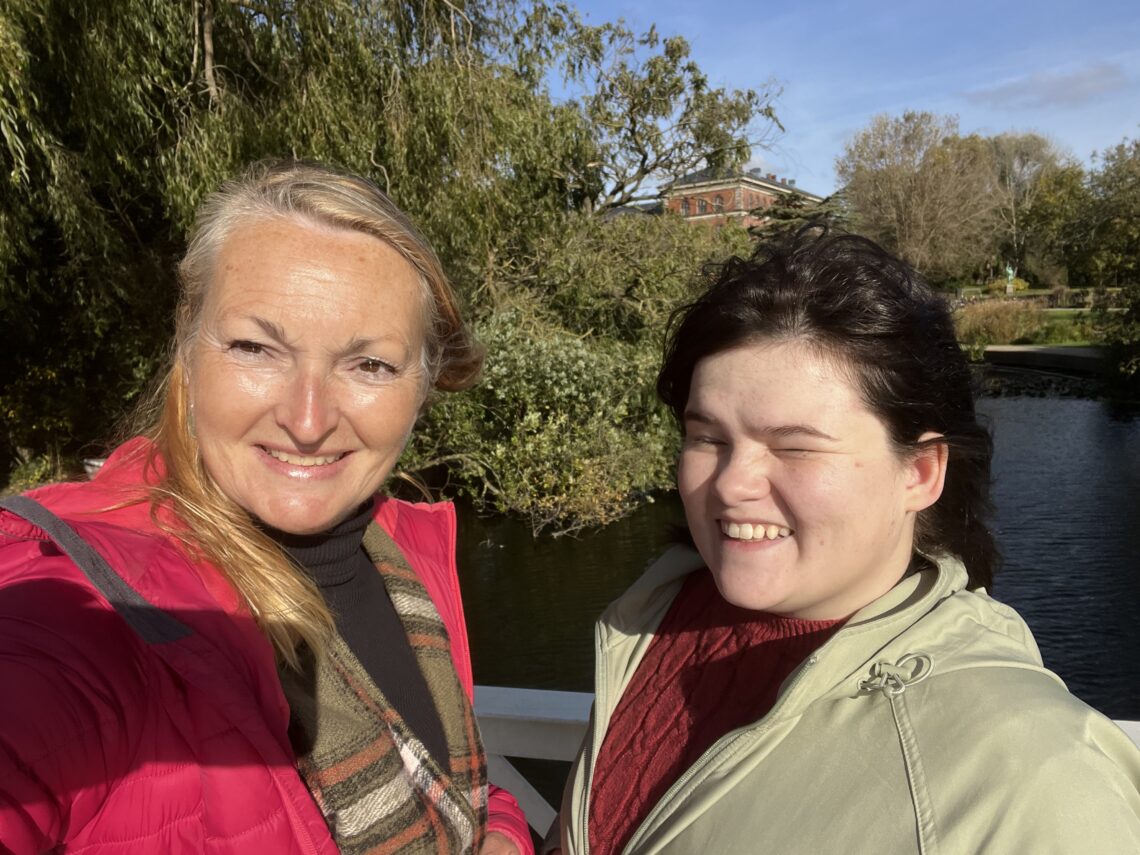
Is it worth the time to visit the Copenhagen Botanical Gardens, or Botanisk Have in Copenhagen? If you adore butterflies, beautiful architecture, strolls in the park, and stunning plants, lunch by a tiny lake, then yes the botanical gardens in Copenhagen are well worth a visit when you are in Copenhagen.
Plus what an affordable whimsical way to start a trip through the city.
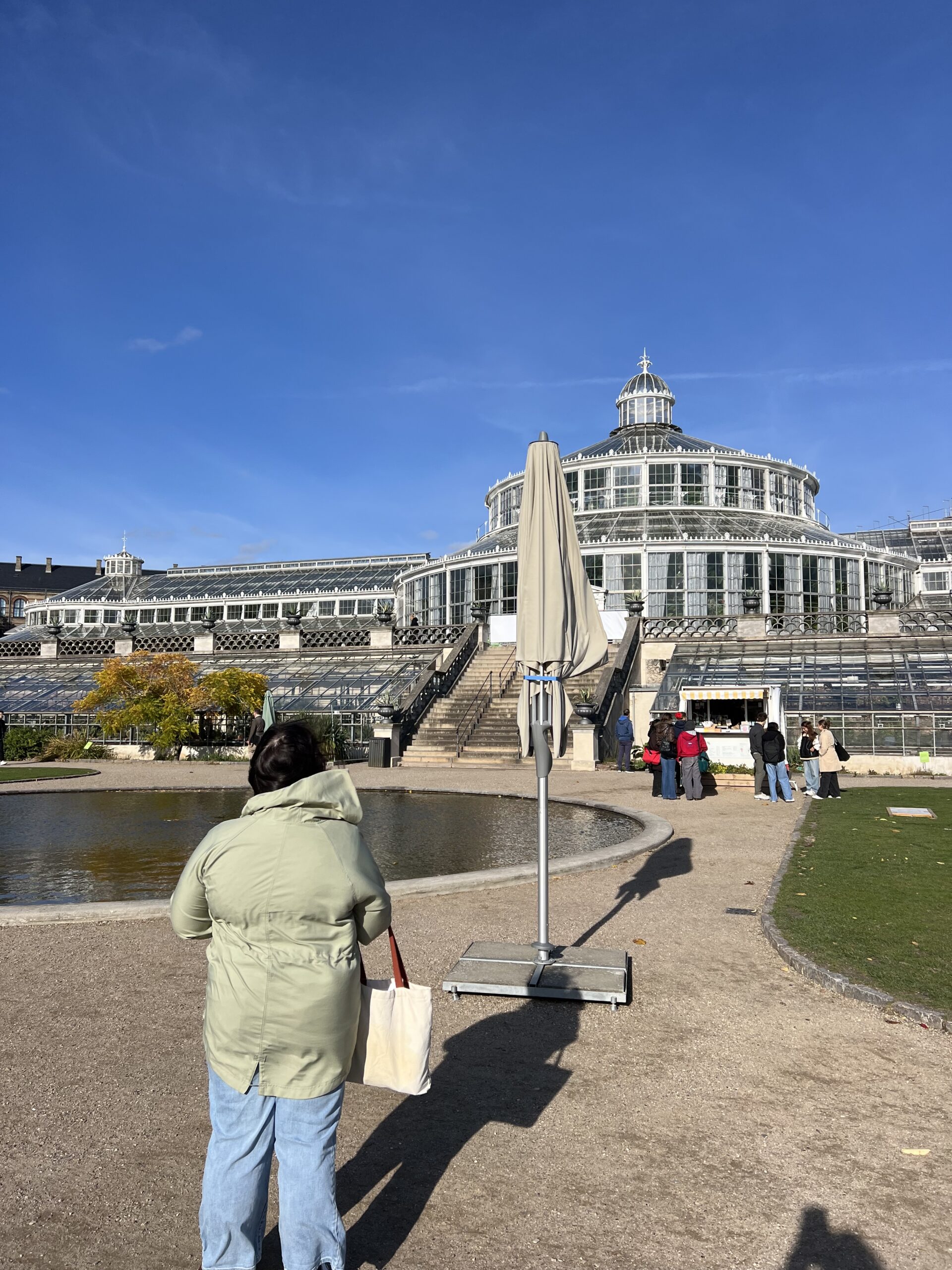
On our first full day in Copenhagen we woke up with Danish pastries on our minds. And coffee or lattes of course. Immediately after our first Danish treats of the mother daughter trip, we were ready to start exploring. So off we went to the Natural History Museum. We strolled through the Botanical Gardens on the way there and then after visiting the museum we took the time to enjoythe Palm House and the Butterfly House.
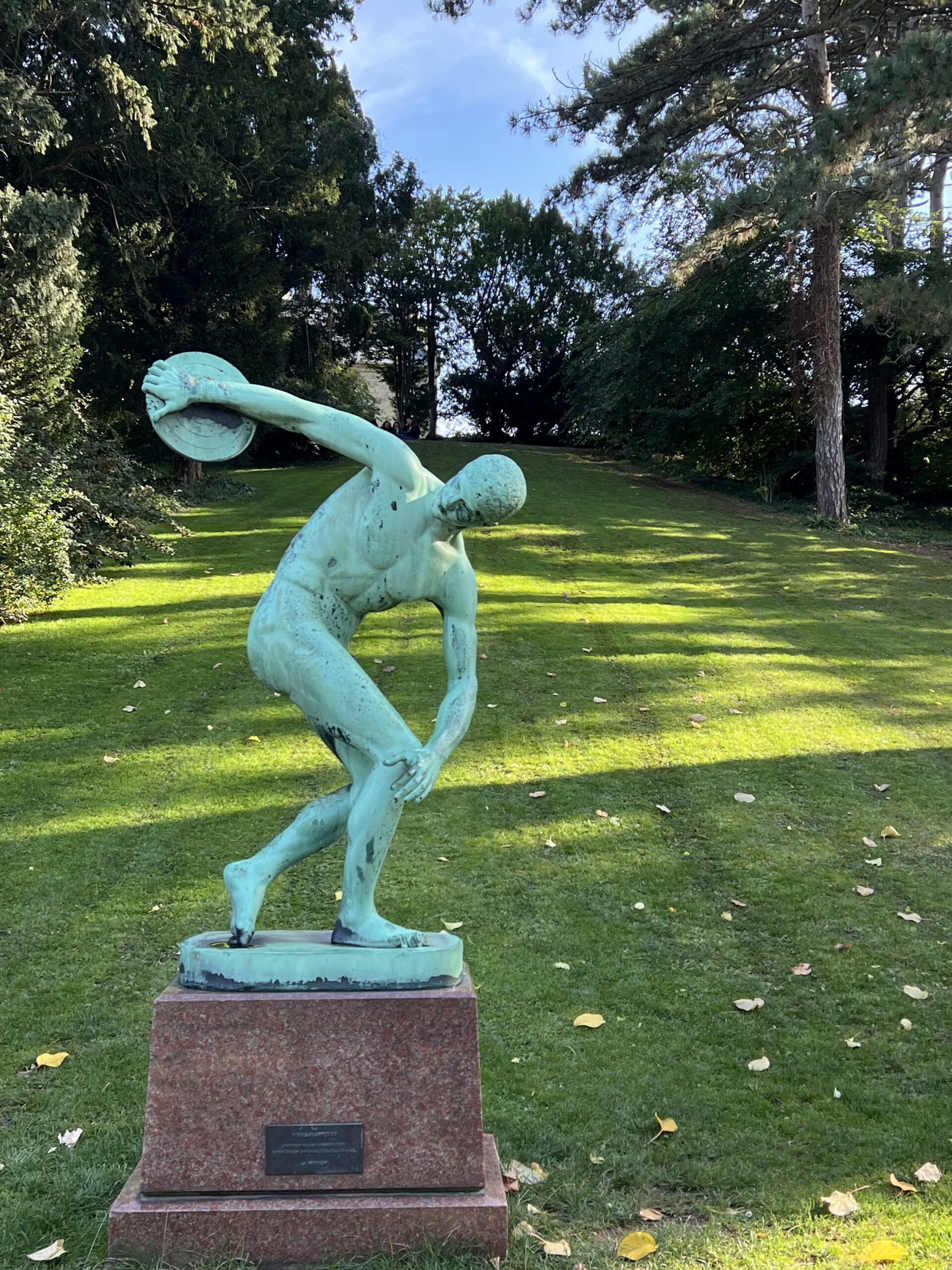
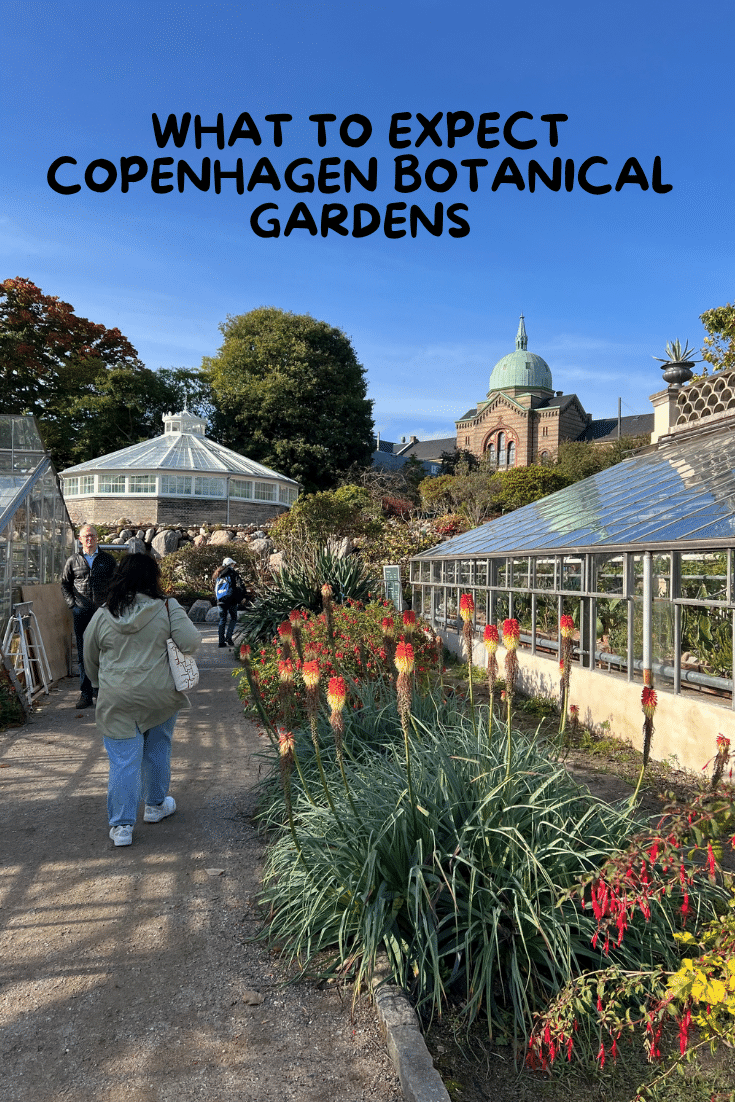
The Gardens are a public space that is free to roam and take photos in. There’s a lovely rock garden and some stunning statues throughout.
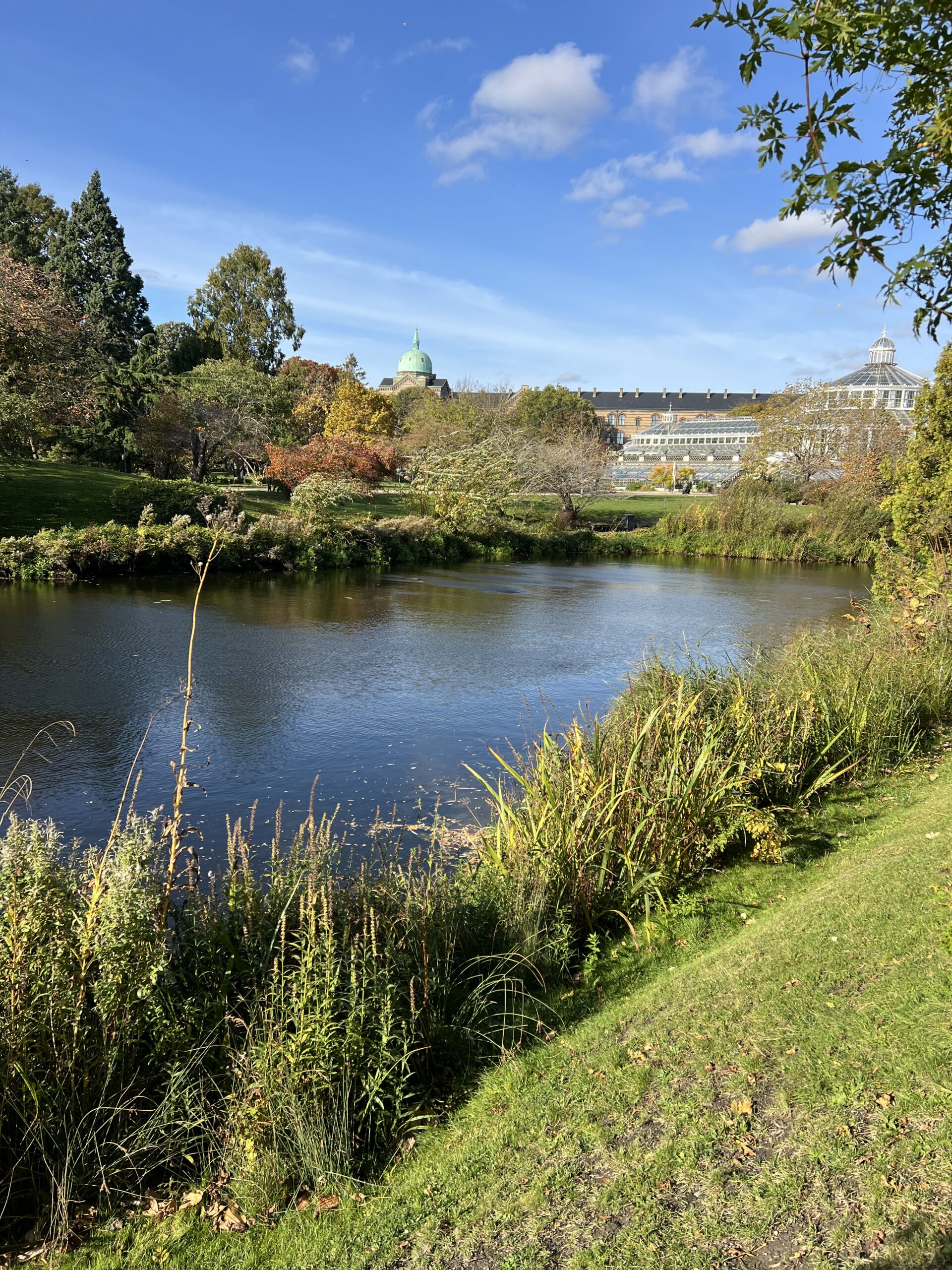
They are stunning even in late October when we visited Denmark. Multiple outdoor flowers were still blooming and throughout Copenhagen roses were thriving which surprised us. It is not super normal to see roses thriving in late October at home in Ontario, Canada.
Peppered with charming statues and lovely climbing plants trailing over arched pathways, the garden walkways are charming and very romantic.
Table of Contents
Where Can You Find Copenhagen Botanical Gardens?
Located in the center of the city, the University of Copenhagen Botanical Garden (Botanisk Have) covers 10 hectares and holds Denmark’s largest collection of living plants. Operating as part of the Natural History Museum of Denmark, the oasis serves as a research institution, a conservation hub, and a peaceful refuge for visitors and locals too.
Grab your lunch or latte and have a seat. There are some lovely open benches near the water.
The Parkmuseerne District
The Botanical Garden is a part of the Parkmuseerne museum district in and around King’s Garden, just five minutes’ walk from Nørreport Station. A ticket to Parkmuseerne gives you access to all six museums in one ticket if that’s the way that you want to go and if you are a big museum and history lover.
Inquire in advance on line if you need a ticket to the Palm House or Butterfly House to ensure you are not disappointed.
History & Foundations
The garden was established in 1600 as a modest medicinal herb plot. So historically cool. There is in fact a herbarium but it is not open to the public.
Over the next two centuries, as the botanical collection expanded, the garden moved locations several times. In 1870, after Copenhagen decommissioned its old city fortifications, land was set aside to construct a permanent layout. Designed by landscape architect H.A. Flindt, the current garden officially opened to the public in 1874.
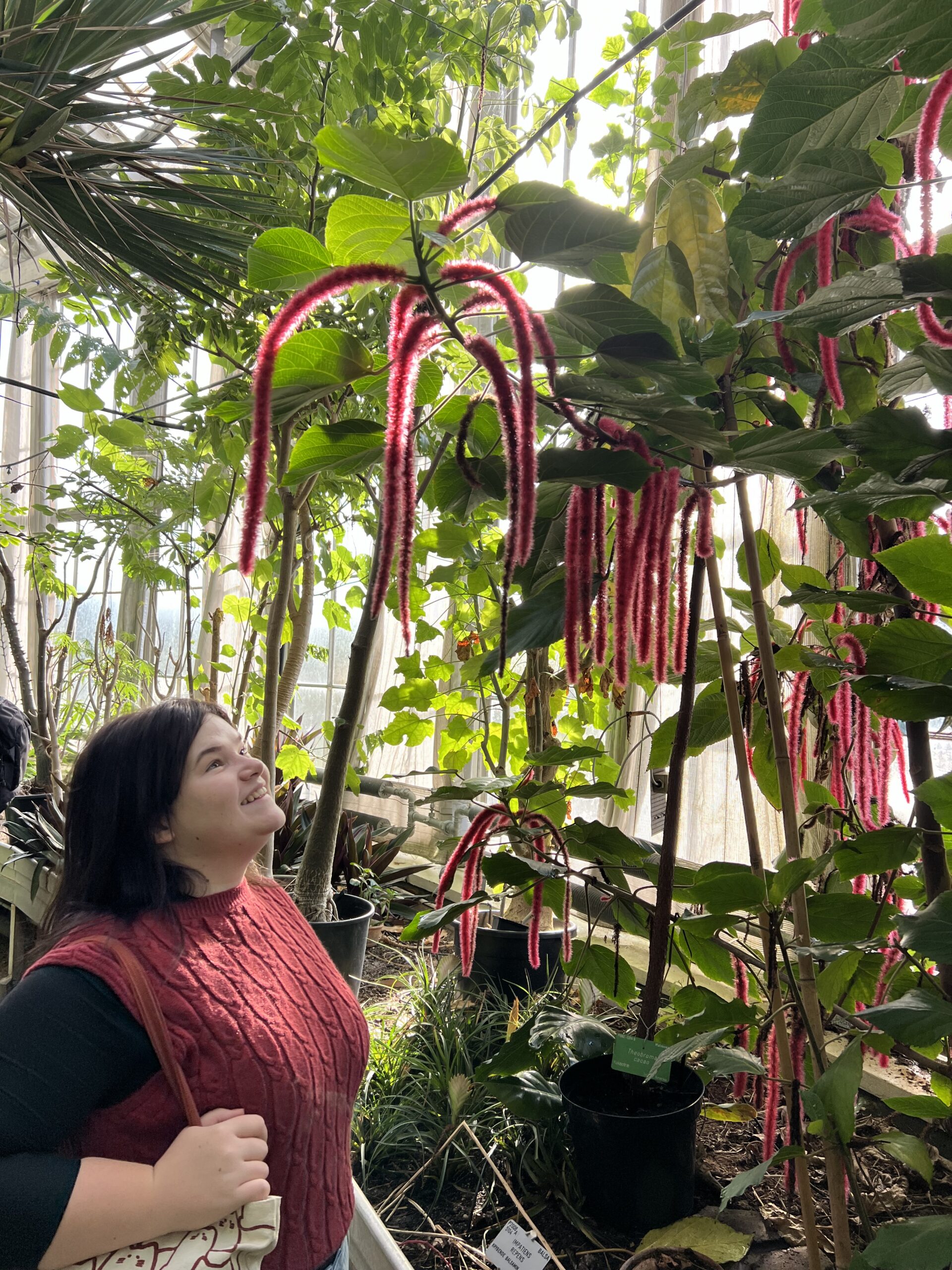
Today, there are over 13,000 plant species at the Botanical Garden, which are organized into specialized outdoor sections, including native Danish flora, rock gardens, conifer groves, and living gene banks. There’s also a relatively new rhododendron garden, a flower shop and a cafe.
The Palm House (Palmehuset)
At the very heart of the garden stands its central landmark, the grand Palm House, built between 1872 and 1874. Inspired by London’s famous Crystal Palace, this stunning glass-and-cast-iron structure was designed by architect Peter Christian Bønnecke with generous support from Carlsberg Brewery founder J.C. Jacobsen.
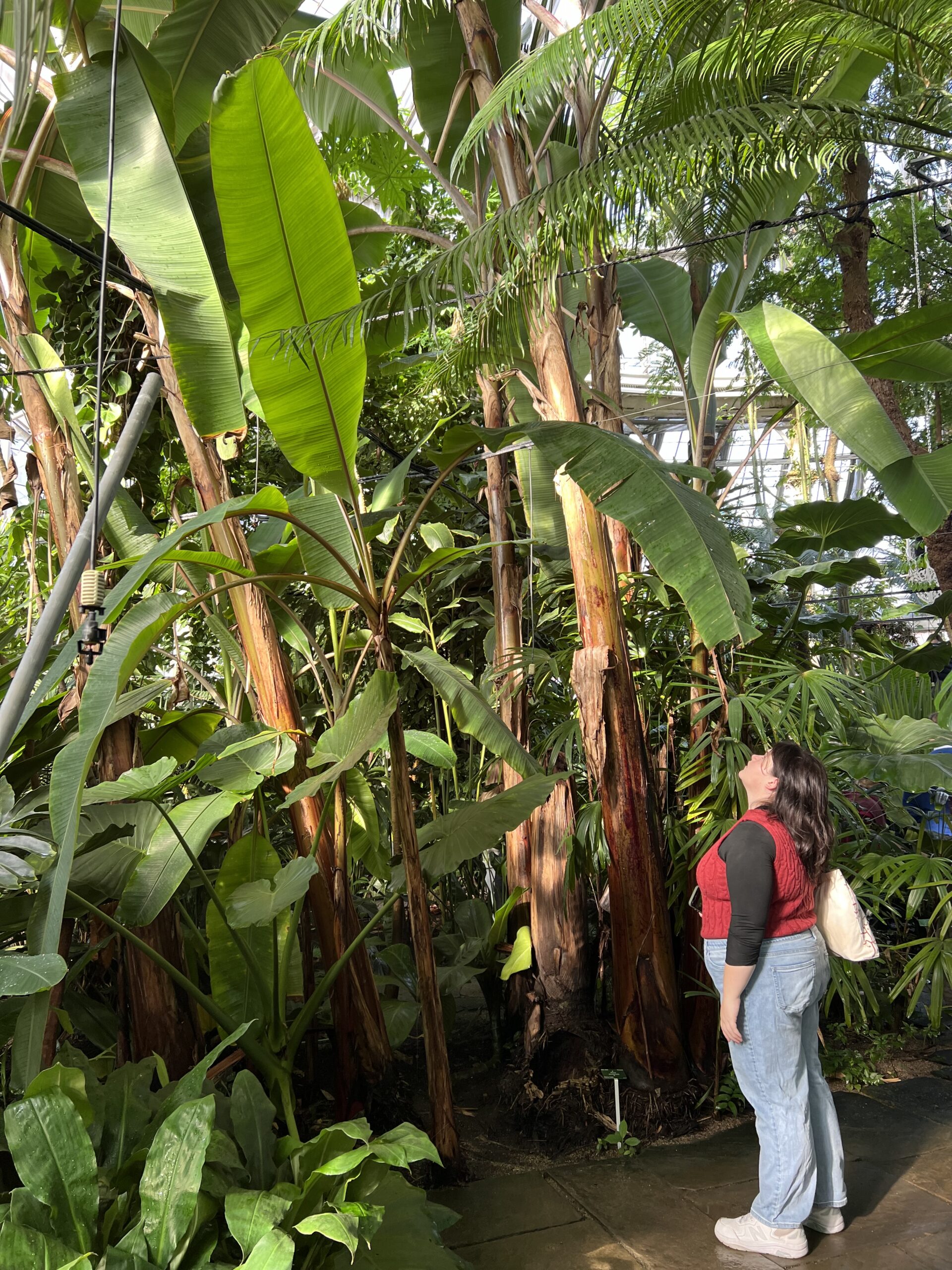
Inside the Palm House, the plants are witchy and magical and several reminded me of the tropics. But also, it’s more than a little bit like a really elaborate sensory trail.
Gæster i Rododendron-kvarteret i Botanisk Have.
Foto: BARSK Projects, Statens Naturhistoriske Museum ©
Memorable Architecture
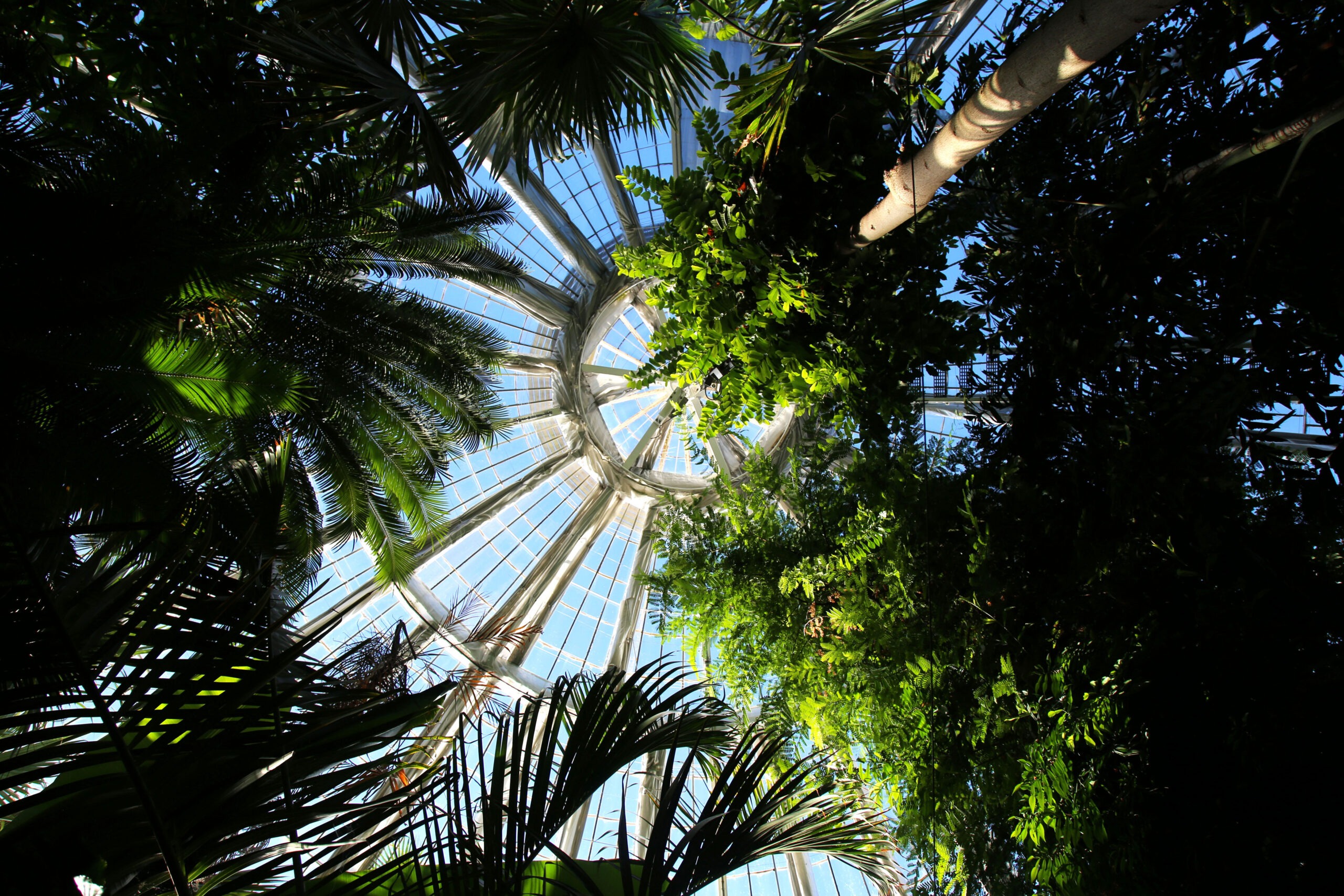
Spanning 2,500 square meters, the Palm House creates a climate-controlled sanctuary for delicate tropical and subtropical species. The interior is divided into separate distinct zones representing different ecosystems, ranging from aquatic habitats and mangrove swamps to arid desert regions filled with cactuses, succulents and dense tropical rainforests.
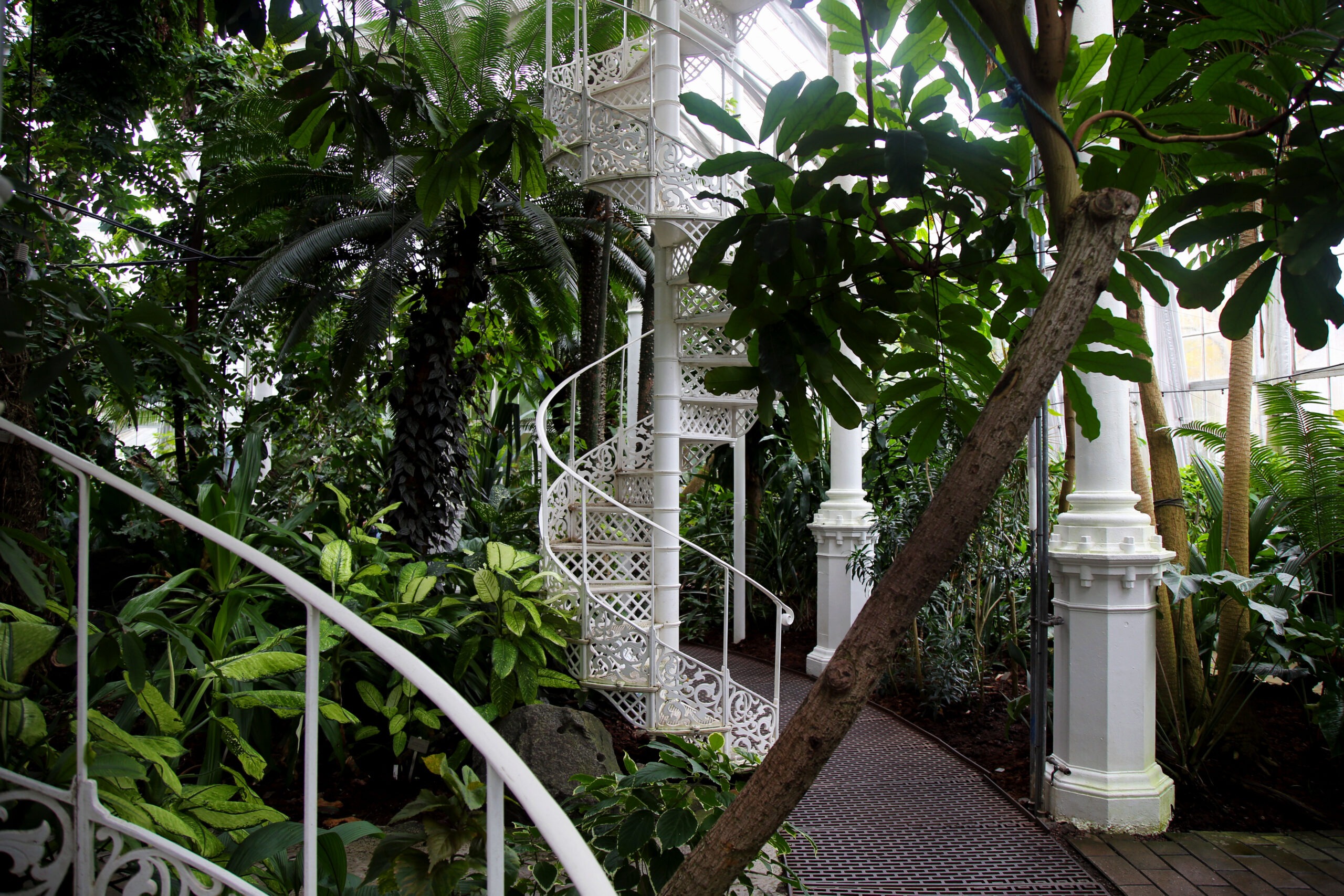
A favourite highlight inside the central dome is the 16-meter-tall cast-iron spiral staircase that leads visitors up to a high canopy walkway, offering wonderful aerial views of giant palms and the city skyline beyond. You can climb this one at a time as it is very narrow and check the view from the top. It is humid of course and while not arduous, it’s also not for the super faint of heart. Narrow wrought iron and see through stairs are not easy for some. Stairs are narrow and winding but there really aren’t that many. However, when we were there was a lineup of people waited to ascend. I suspect this spot gets busy often.
Check the web site you go. Sections of the Palm House are slowly being renovated in 2026 and are expected to be completed sometime in 2027. Rotating sections of the Palm House are closing as they are renovated.
The Butterfly House
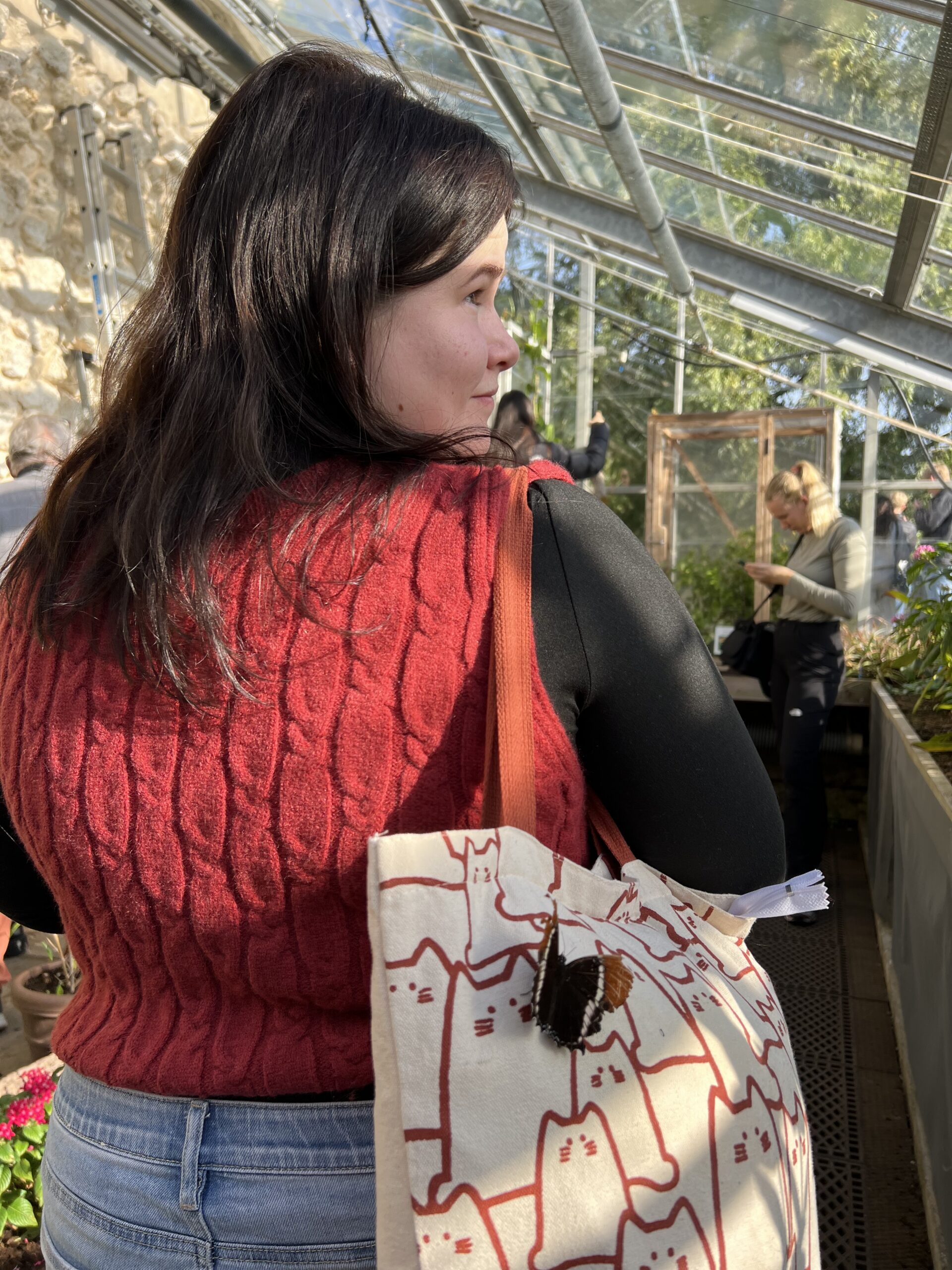
Nested within the Palm House complex, the Butterfly House offers a peek into insect biology and plant-animal coevolution. We never met a butterfly house or observatory we didn’t like, so naturally we were happy here. The butterflies liked Payton’s bag, but don’t worry we didn’t leave there with any.
Live tropical butterflies flutter freely through a warm, humid rainforest environment filled with blooming orchids, passionflowers, and vanilla plants. Several landed on Payton’s purse and I got a few great pictures. It reminded me a bit of a butterfly conservatory we have visited just outside Cambridge.
Beyond the obvious butterfly appeal the exhibit offers an engaging educational experience where visitors can observe every stage of the butterfly lifecycle—from eggs and caterpillars to pupae displaying emerging adults. It also serves as a reminder of broader environmental efforts, using butterflies as indicator species to illustrate the impacts of habitat loss and climate change on global biodiversity. Together, the historic glasshouses and living collections bridge 19th-century botanical heritage with modern conservation.
The garden is also used to protect and conserve some endangered species. The Copenhagen Botanical Gardens in 2025, earned the Botanical Garden earned the Botanic Gardens Conservation International (BGCI)’s Conservation Practitioner Accreditation. The accreditation highlights the garden’s role in supporting efforts to understand, protect, and preserve plants and their habitats.
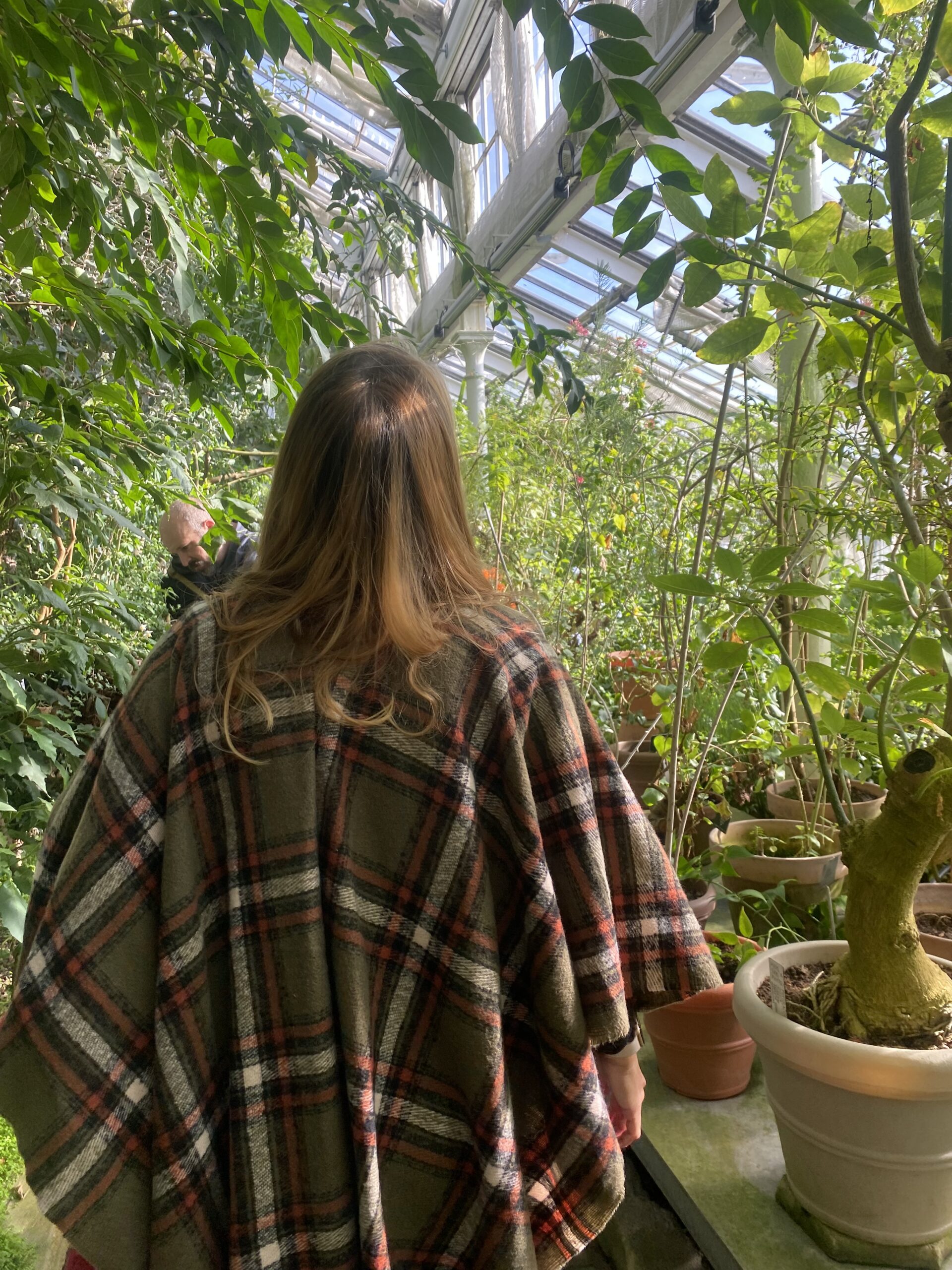
When we visited, as mentioned, we also explored the Natural History Museum that day which has easy access to the Botanical Gardens, The Butterfly House and the Palm House. The museum itself was also a treat and a great museum to start with. Might share a separate post about that later. Prices were not exorbitant at all and they had a wild number of specimens which really impressed Payton.
Anyways, here’s a suggested itinerary you might try if you visit.
A Day One Itinerary
An efficient itinerary for a day in this area might look like this:
Stop 1. The Natural History Museum
Stop 2. The Botanical Gardens
Stop 3. The Palm House
Stop 4. The Butterfly House
Grab some food or snacks on the street or at a cafe along the way.
Post may contain affiliate links as a service to readers. Any purchases made via qualifying links may mean a small commission for me.
Part 2 of the Same Day
Moving down the street you will find Kongen’s Have, King’s Garden and the Rosenborg castle. The gardens again are free to stroll and you must actually see these gardens as they are pretty famous, featured on The Bear and a few other movies, and series.
Rosenborg Castle: Really enjoyed the castle as well and the Crown Jewels. If it is cold or rainy, the indoor venue obviously is a good spot to hang out. We had good weather when we visited and sunny warm Copenhagen October afternoons. There was really only one chilly windy day and that was in Nyhavvn which of course is right by the water.
Head back to the area where you are staying and grab yourself some dinner. For us, that was a full day.
Save Where You Can
While Copenhagen in general can be one of the more expensive cities to visit in Europe, we have several options for inexpensive ways to round out your itinerary. Gardens are often high on the list of free or low cost things that you can do in the United Kingdom and in Europe. Splurge where you need to on the excursions and grab some low cost meals at the grocery store in order to make the most of your time there.
Leave Christianborg Castle for Day 2 or 3 and the National Museum of Denmark as well.